

Preferred Customer
SAVE 20% OR MORE,
ALL YEAR LONG.
Your 20% discount is just the beginning. Score a Welcome Box valued at $60, unlock even bigger savings the more you shop, and get FREE shipping when you upgrade to Preferred Customer today.
NEVER SHOP FULL PRICE AGAIN
04 perks / no minimum purchaseYour discount applies from the moment you sign up — no codes to hunt down and no minimum purchase required.
A Welcome Box valued at $60 arrives free with your first purchase, including a custom glass water bottle.
The more you buy, the higher your discount — up to 30% off, and your highest level stays intact at renewal.
Upgrade to Preferred Customer today and get free shipping on top of your member pricing.
THE MORE YOU BUY, THE MORE YOU SAVE
†Within 4 consecutive Purchase Periods (~2 months). Total Product Purchases is calculated by the retail price, not your account's discounted price — unless the item is currently on sale. The highest discount level you earn remains intact annually upon renewal.
HOW IT WORKS
Create your Preferred Customer account. There is no minimum purchase requirement, ever.
Your 20% discount and free shipping apply right away, and your free Welcome Box ships with it.
Reach $500 or $1,000 in product purchases within four consecutive Purchase Periods to lock in 25% or 30%.
WHAT'S INSIDE THE WELCOME BOX
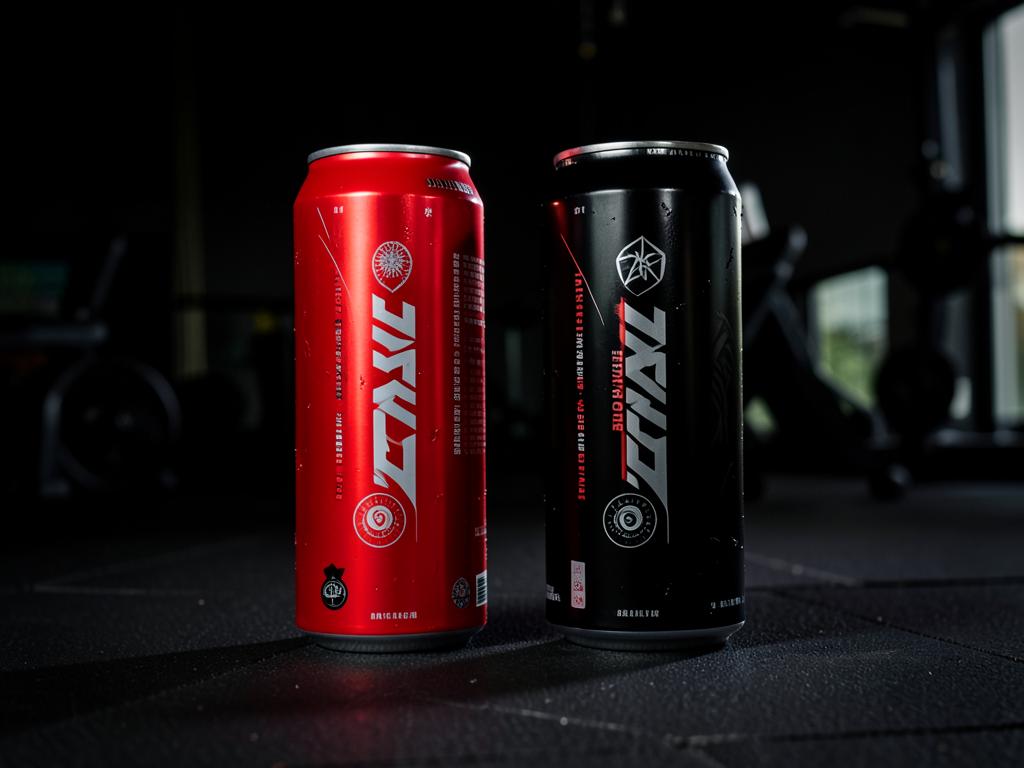
- ·0g sugar
- ·120mg caffeine
- ·20+ vitamins & minerals
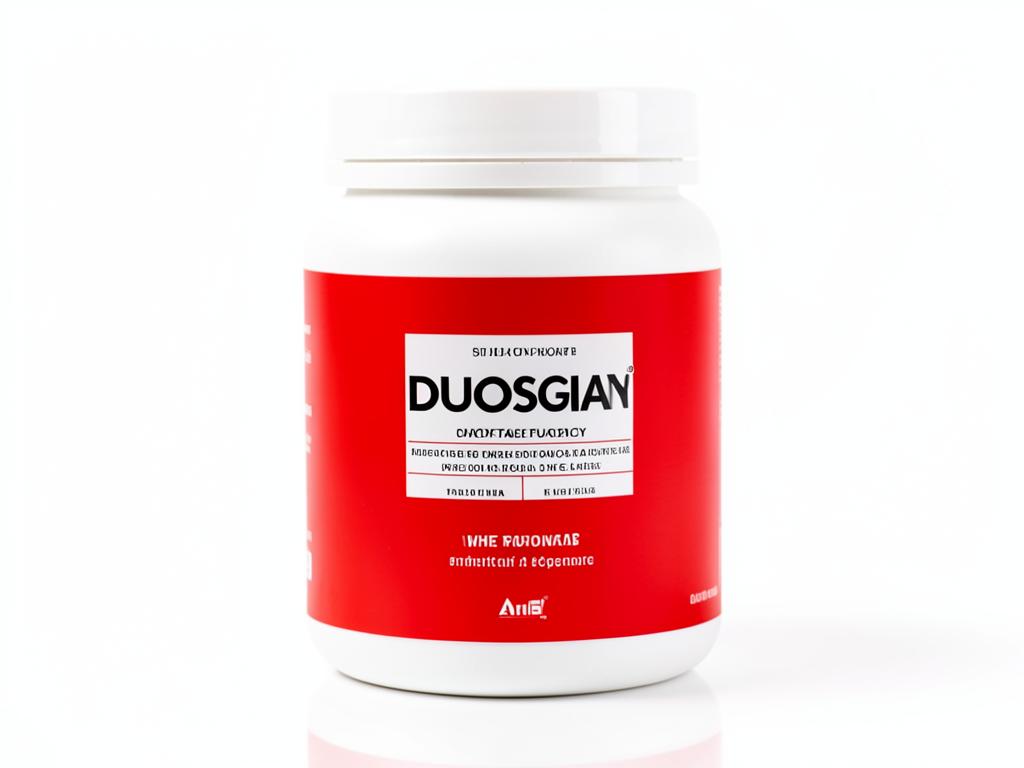
- ·4 key electrolytes: sodium, potassium, magnesium, calcium
- ·B vitamins & amino acids
- ·120mg vitamin C
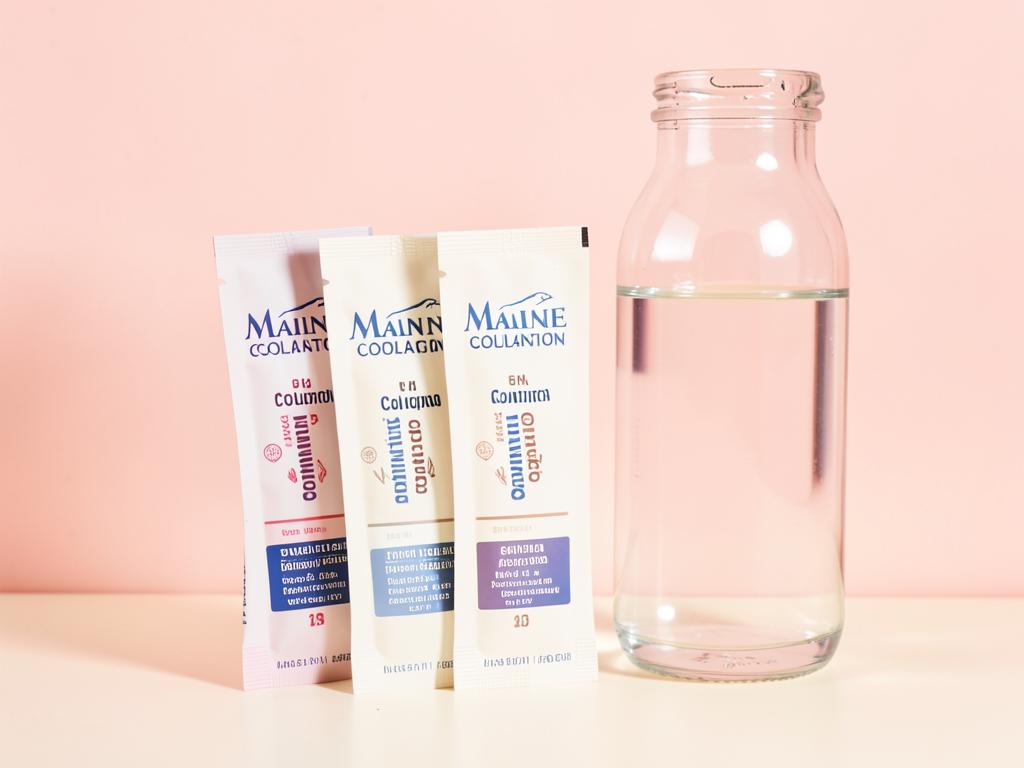
- ·Marine collagen peptides
- ·Vitamin E
- ·Bamboo extract
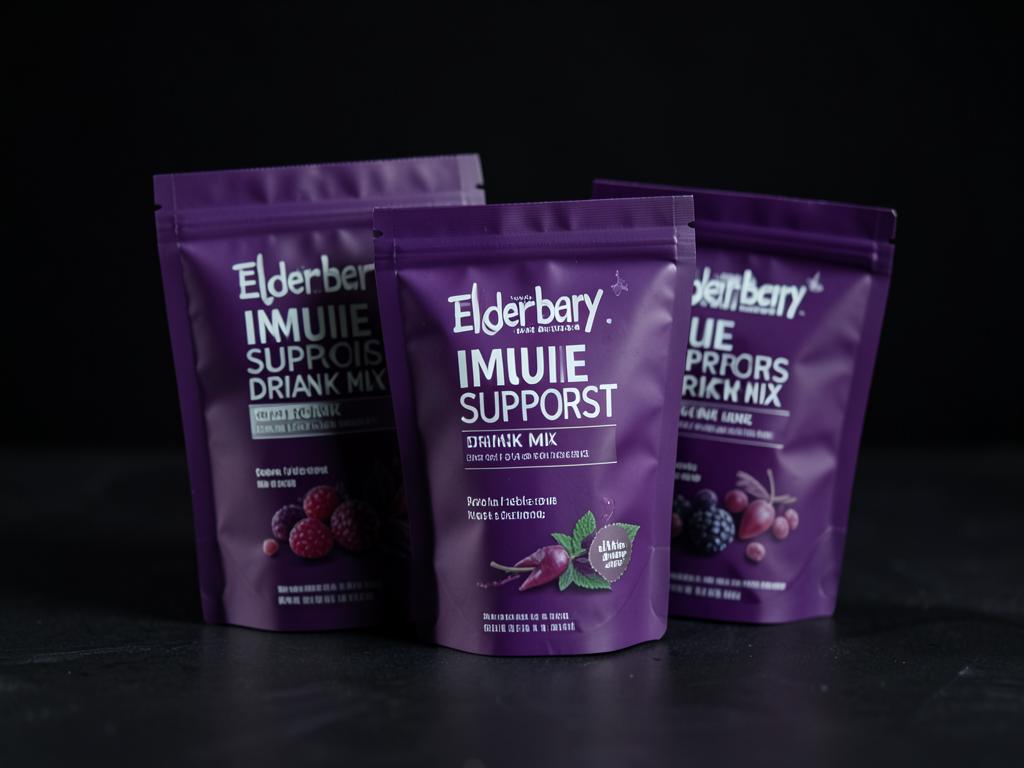
- ·Adaptogens
- ·Elderberry
- ·B vitamins
Containers hold six individual stick-pack servings.
MORE ABOUT THE PROGRAM
What is the minimum purchase requirement for Preferred Customers?+
There is no minimum purchase required for Preferred Customers.
What are the Preferred Customer discount levels?+
As a Preferred Customer you receive a 20% discount on products. Your discount can increase based on your product purchases over approximately two consecutive months, or four Purchase Periods (there are roughly two Purchase Periods every month), based on the Retail Value of your purchases. Retail Value is a point value assigned to each product. As you purchase products your Retail Value accumulates and your discount increases, up to a 30% discount. The highest discount level a Preferred Customer earns remains intact annually upon renewal.
What is the annual renewal fee for Preferred Customers?+
The annual renewal fee is $19.95. When you renew you'll get two free products.†† All Preferred Customers are eligible for the Auto Renewal Program and may sign up by logging in to their account and opting in to the program.
What is the auto-renewal program and how do I enroll?+
AdvoCare offers Preferred Customers the option to set up their account to automatically renew every year by charging the card on file. In addition to receiving a choice of two free products, Preferred Customers who enroll also receive a coupon for $10 off their next order.† To opt in, log in to your AdvoCare account, click My Profile, select My Membership, then click “Yes, I agree to enroll in Auto-renewal” and complete the prompts.
What is the return and exchange policy for Preferred Customers?+
AdvoCare offers a Satisfaction Guarantee on products purchased. If a Preferred Customer is not completely satisfied, they may request an exchange or refund within 30 days from the date of purchase by returning the unused portion of the product back to AdvoCare.
Who should I contact if I have questions?+
Contact AdvoCare Customer Service at 1-800-542-4800. Customer Service hours are Monday–Friday, 9 a.m. – 5:30 p.m. CT.
†Coupons are for $10 off the order subtotal after all applicable discounts. Opting into the Auto-renewal program is required to receive the coupon code. You can opt out at any time. One time use only. Coupon code sent via email and needs to be applied by the customer. No minimum purchase required.
††Choice of product from a pre-selected list. Product selection at AdvoCare's discretion and may vary. Free product choice only with paid $19.95 renewal fee. No exchange or returns permitted. Subject to availability. No minimum purchase required. AdvoCare reserves the right to discontinue or modify these promotions without prior notice.
SIGN ME UP
FOR 20% OFF
Become a Preferred Customer and your discount, free shipping and free Welcome Box are locked in. Annual renewal is $19.95 and comes with two free products.